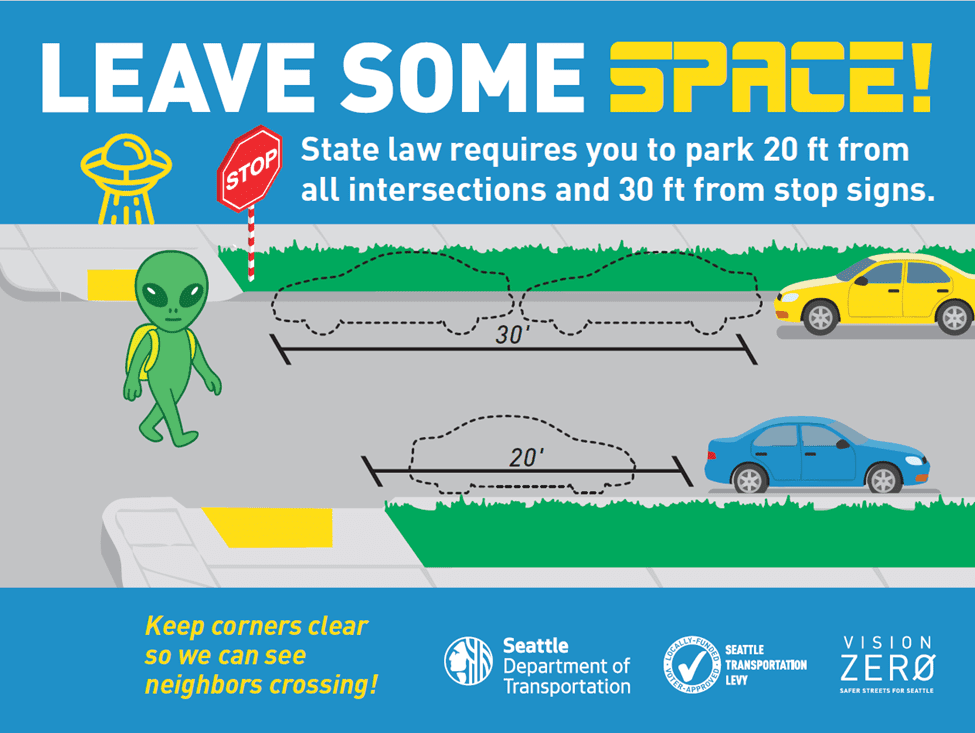
 Leave some space, Seattle! We’re keeping intersections clear to help improve everyone’s travel safety.
 Blog stats: 1,400 words | 7-minute read
At-a-glance:
- Thanks to the Seattle Transportation Levy, we’re improving crosswalks and intersections all over Seattle, helping drivers see where they can and can’t park, while reducing blind spots at street corners.
- Upgrades known as ‘Intersection Daylighting’ make it easier for everyone to see each other at intersections.
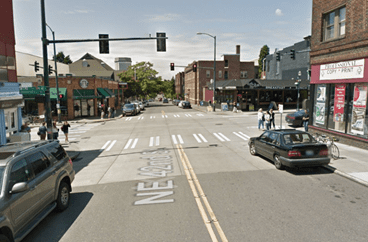
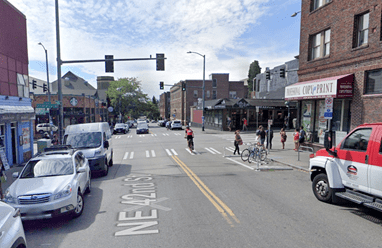
- We use infrastructure like concrete or painted curb bulbs, “no parking” signs, bike corrals, and other changes to “daylight” the intersection, so people can see each other better, helping reduce the likelihood of crashes.
- Parking too close to intersections is not allowed per Washington State Law. Signs, paint, and other daylighting features are just reminders.
- We focus improvements around frequent transit routes, places with lots of on-street parking, busy neighborhoods where many people walk and roll, and based on requests we receive from Seattle residents using the Find It, Fix It app or 684-Road@seattle.gov.
- Using levy dollars, we plan to install daylighting at more than 20 intersections in 2025. Thank you, Seattle!
With funding from the Seattle Transportation Levy, we’re making improvements to crosswalks and intersections all over Seattle. This includes new pavement markings and signs, flashing beacons, new traffic signals, and more. Improvements also help remind drivers where they can and can’t park, as well as upgrades that reduce blind spots at street corners, upgrades known as Intersection Daylighting.
What does Intersection Daylighting mean? See the graphics below to learn more.
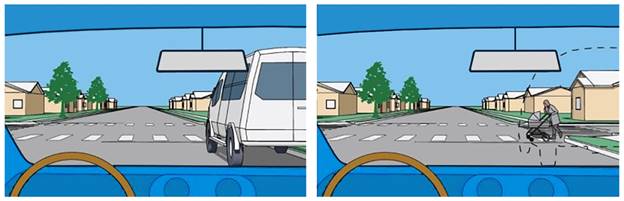
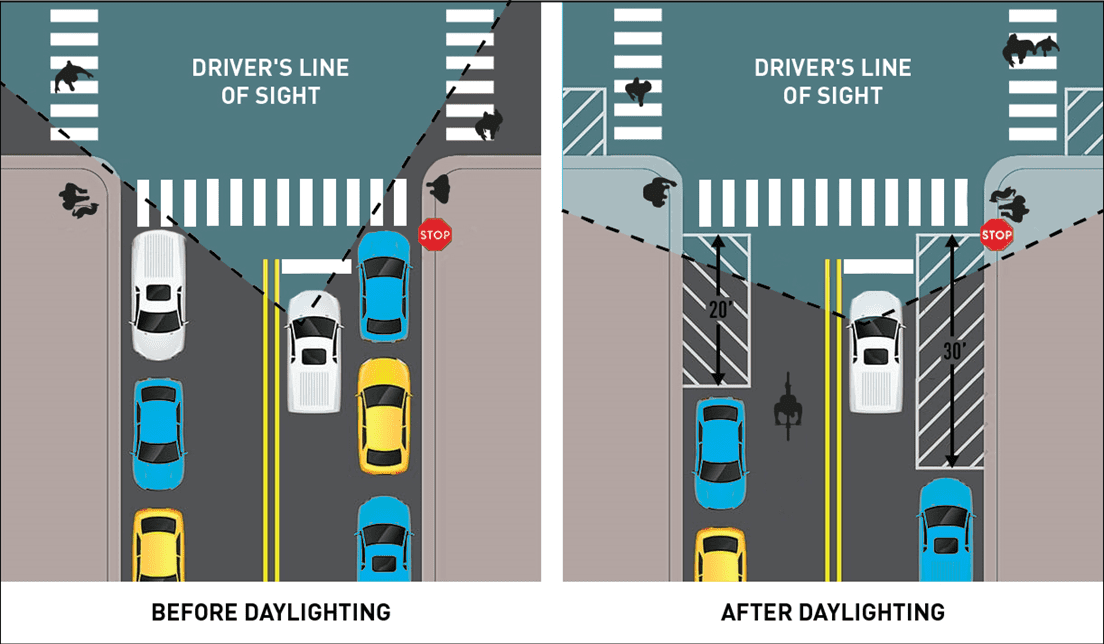
Intersection Daylighting makes it easier for everyone to see each other at intersections. New features help show where parking isn’t allowed near intersections, per Washington State Law.
Specifically, parking is not allowed:
- 30 feet from stop/yield signs and crosswalks with flashing beacons (about two car lengths)
- 20 feet from intersections (about one car length)
- 5 feet from driveways
- 15 feet on both sides of fire hydrants
- Within an intersection, including T intersections

Still wondering what this all means? Here’s a short video that explains the concept.
Check out this short video on YouTube. Video credit: Streetfilms®
We’ve also created a handy guide to help you answer the question “Can I park here?”. You can print it out and keep a copy in your car’s glovebox for easy reference!
Cars parked too close to intersections make it hard for:
- Drivers to see people crossing the street
- People walking or biking to see approaching vehicles
- Drivers entering from side streets to see other approaching vehicles
- Emergency response vehicles to get to where they need to go quickly
- Drivers to get around one another when entering or exiting side streets
- People to see stop signs or other important roadway signs
Daylighting does not remove existing, legal parking spaces. It prevents parking in areas where it is already illegal to park by State and City law. For example, at the approach to a stop sign, it is illegal to park within 30 feet of the sign. Therefore, the daylighting area is typically 30 feet from the stop sign on one side of the street.
Why is Intersection Daylighting important? Bottom line: Intersection daylighting makes people safer by reducing crashes.
These improvements help everyone get to where they need to go more safely, particularly around bus stops, community centers, schools, parks, local businesses, doctor’s offices, and more. This work directly supports our Vision Zero goal to eliminate traffic collisions resulting in severe injuries and fatalities on Seattle’s streets.
According to the Federal Highway Administration, restricting parking near intersections is an effective way to reduce crashes involving pedestrians, making it an easy, low-cost safety solution.
There are other benefits too, like:
- With Intersection Daylighting, larger vehicles like ambulances, fire engines, and garbage trucks can make turns at intersections without getting too close to, or colliding into, parked cars.
- With Intersection Daylighting, community members using mobility devices like wheelchairs can better access curb ramps leading to intersections, since cars are no longer parked too close or blocking the curb ramp.
“The recent changes to the intersection have been tremendous! Not only have we seen no car crashes since they went it, but also the residents of nearby senior housing are out walking every day because they know that now drivers can see them crossing the street which makes it so much more comfortable.” – Green Lake resident near the intersection of 2nd Ave NE and Woodlawn Ave NE
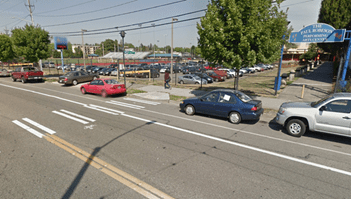
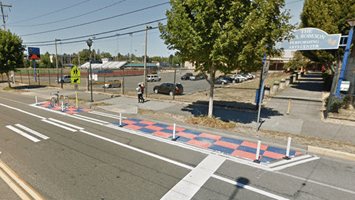
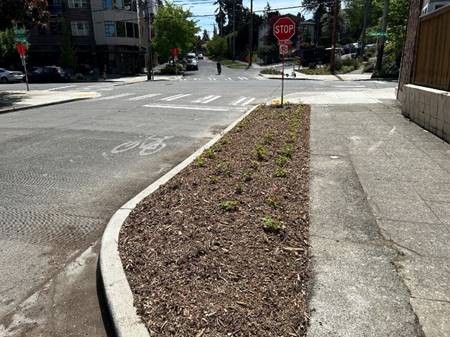
How do we daylight intersections?
Concrete curb bulbs
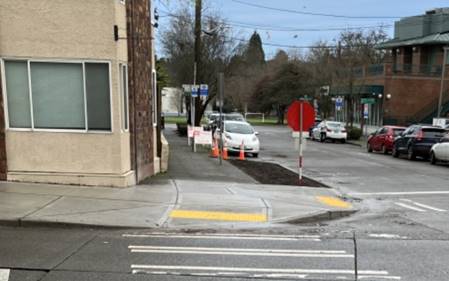
No Parking Signs
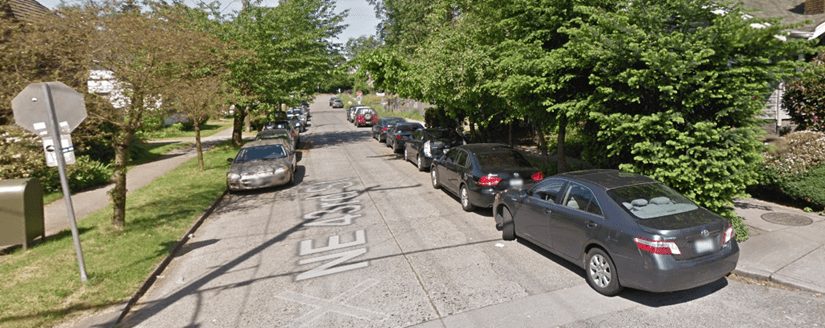
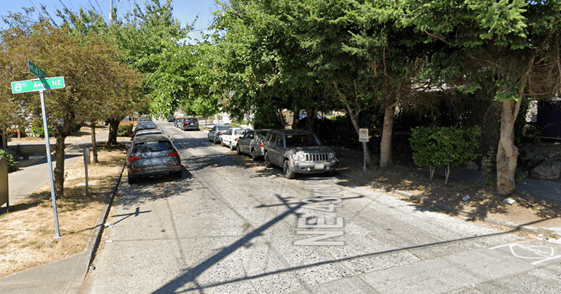
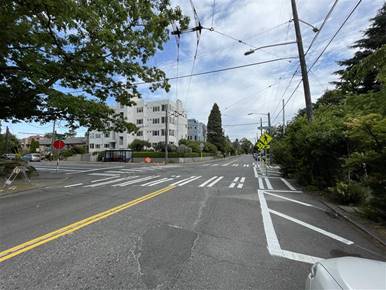
Painted Curb Bulbs
Bike Corrals
How are locations selected?
Locations for intersection safety improvements are prioritized based on several factors including:
- Along frequent transit routes
- Places where many drivers use on-street parking
- In dense areas of Seattle with high numbers of people walking and biking
- Where crashes occurred due to vehicles parked too close to corners
- Where they have been requested from Seattle residents (you can request using the Find It, Fix It app or by emailing 684-Road@seattle.gov or calling (206) 684-7623)
Thanks to Seattle Transportation Levy dollars, we plan to install daylighting features at dozens of intersections in 2025.
These upgrades are taking place in neighborhoods all across the city, including Ballard, Beacon Hill, Capitol Hill, Central District, Columbia City, Fremont, Greenwood, Green Lake, Madison Park, Magnolia, Rainier Beach, South Park, View Ridge, Wedgewood, West Seattle, and more. Many of these upgrades are already in place, with more to come in the months ahead.
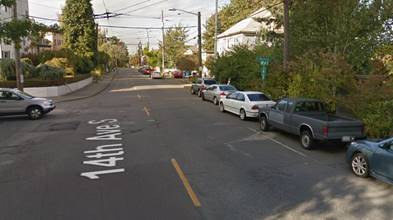
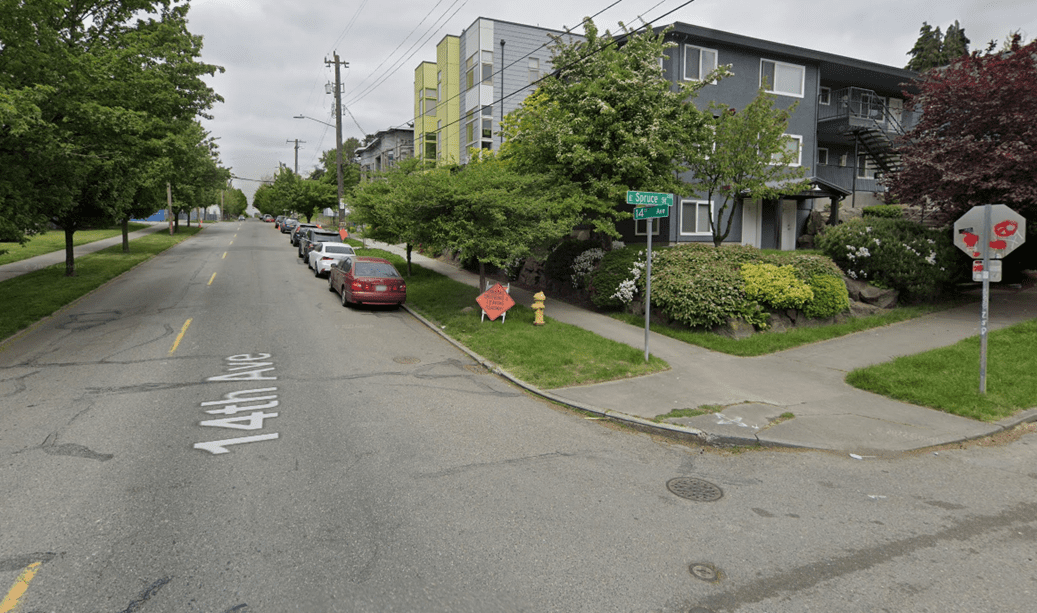
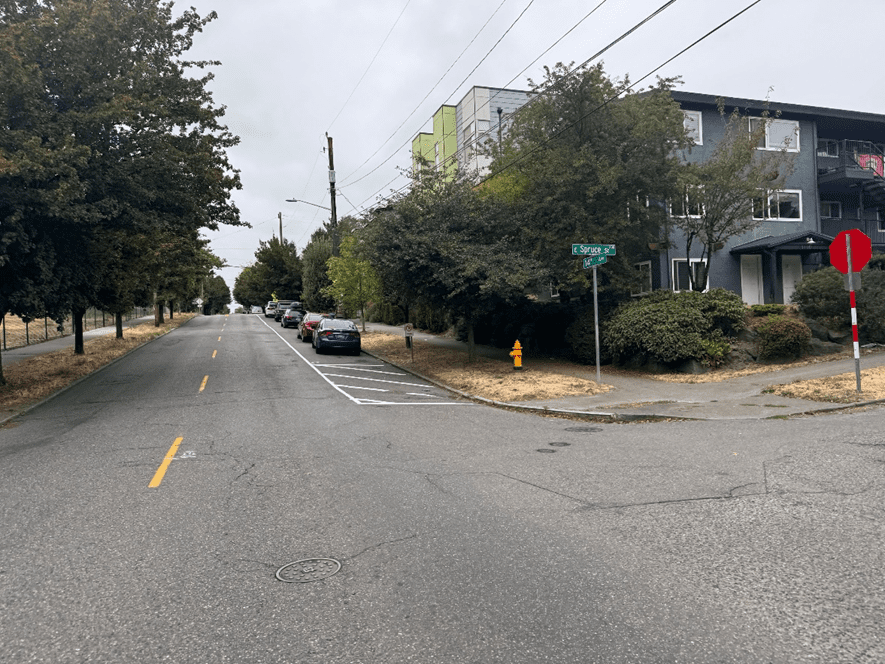
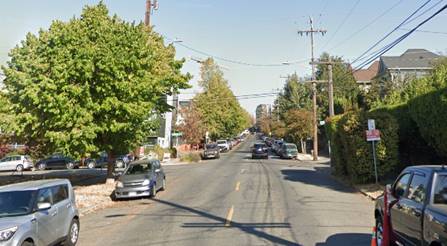
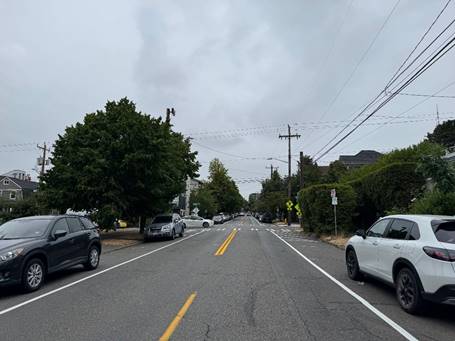
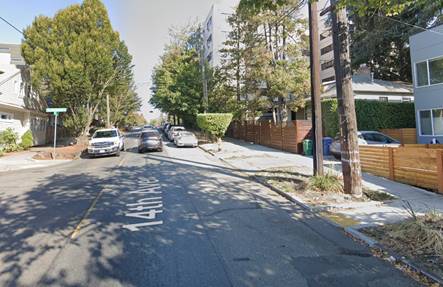
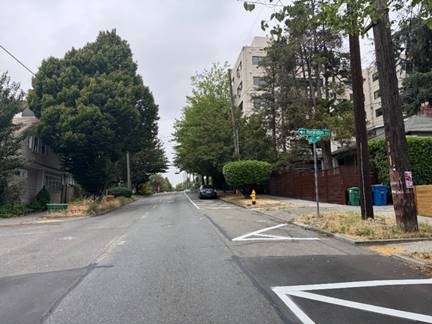
Project Snapshot: 14th Ave between Yesler Way and Union St
Recently, we made improvements along 14th Ave between E Yesler Way and E Union St. This included intersection daylighting (no parking signs and painted curb bulbs), new crosswalks, updated signs and white lines separating the travel lane from the parking lane.
What can I do if I see vehicles parked illegally?
Using the Find It, Fix It app, you can submit a photo to request parking enforcement. If the problem is ongoing and impacts safety, please submit a request through the Find It Fix It app, email 684-Road@seattle.gov, or call (206) 684-7623.
We appreciate your focused attention when you travel, so we can keep everyone safe. Thank you!