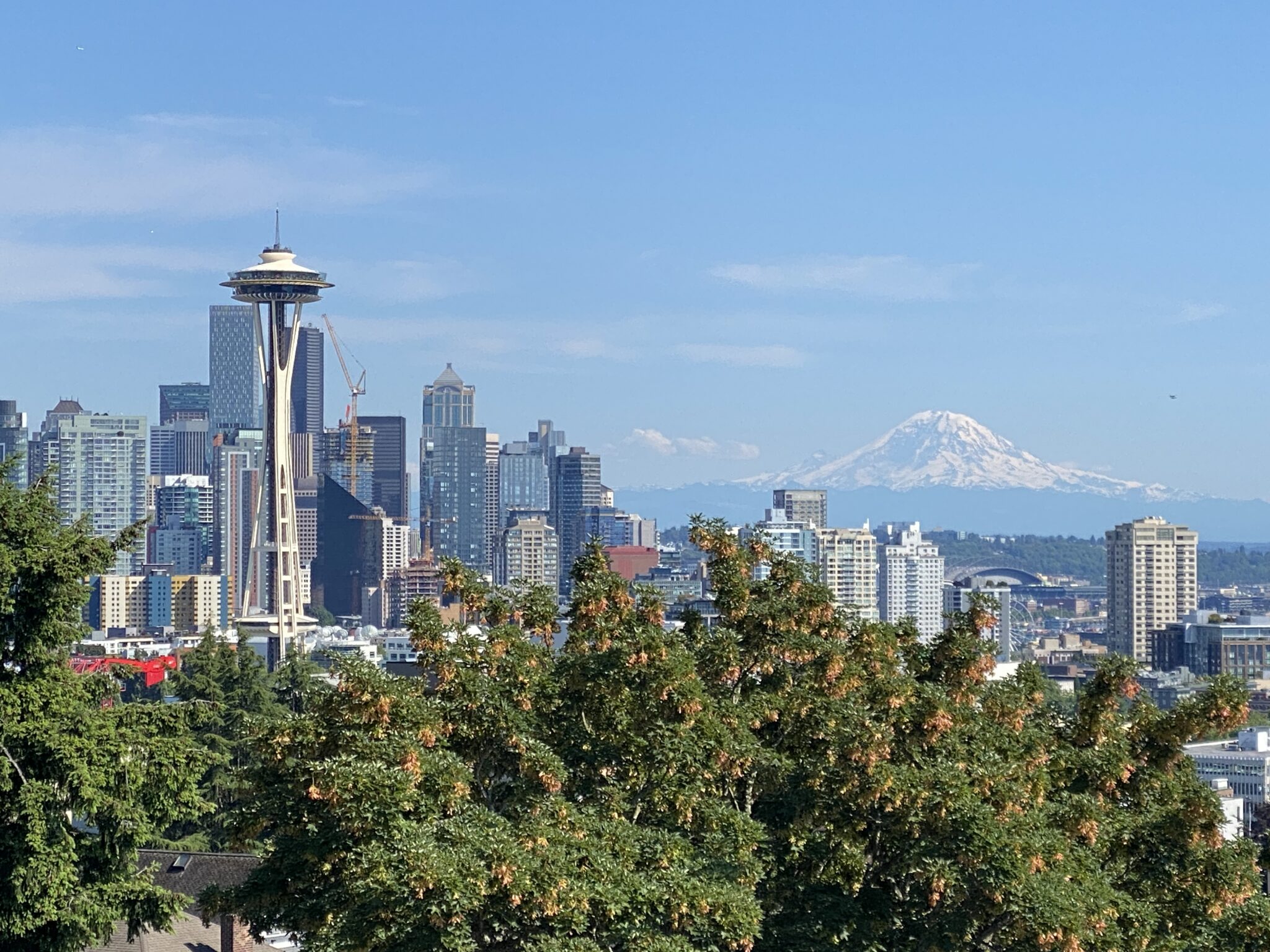
 A view of Seattle from Kerry Park in Queen Anne. Mount Rainier is seen in the distance behind the city. Photo: SDOT
 Blog stats: 1,500 words | 8-minute read
At-a-glance
- The first three Low-Pollution Neighborhoods (LPNs) in Seattle will be South Park / Georgetown, Lake City, and Capitol Hill.
- We’re launching the planning phase at these locations because they face meaningful climate and air quality challenges while also reflecting a variety of neighborhood conditions we hope to address across Seattle.
- We’ll co-create and test climate solutions with community members, leading to a practical set of tools to guide future investments.
We are launching the first planning phase of our new Low-Pollution Neighborhoods (LPN) program with three initial pilot locations: South Park / Georgetown, Lake City, and Capitol Hill.
This is an exciting step forward for a program to reduce pollution and increase climate resilience in focused neighborhoods by coordinating existing City efforts and testing new solutions.
Transportation is Seattle’s largest source of climate pollution, and environmental and transportation burdens are not distributed evenly.
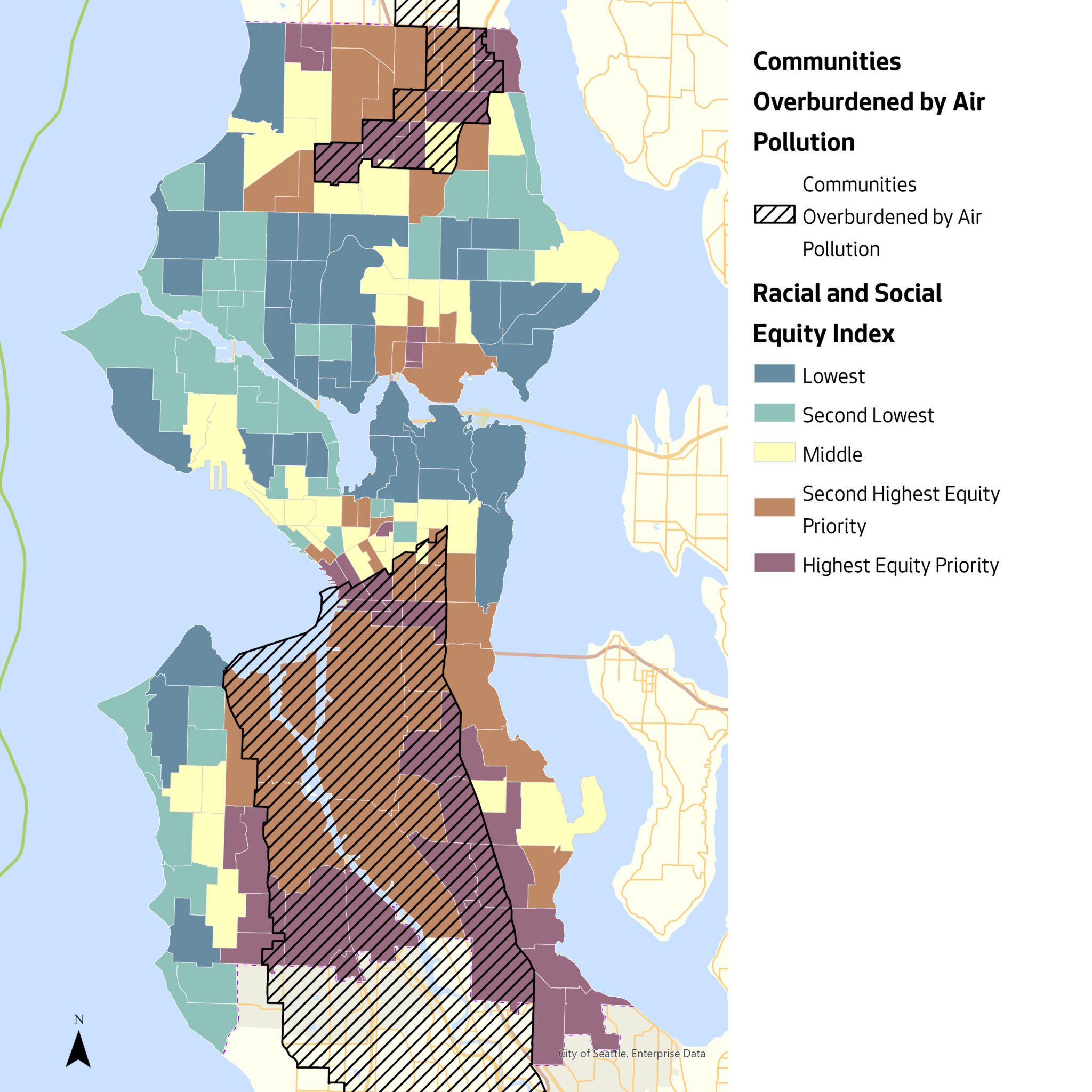
The neighborhoods selected to pilot the LPN program each reflect different kinds of urban and environmental conditions, transportation challenges, and community priorities across the city. This variety will allow us to test strategies in different contexts while building a practical toolbox that can guide future LPN investments.
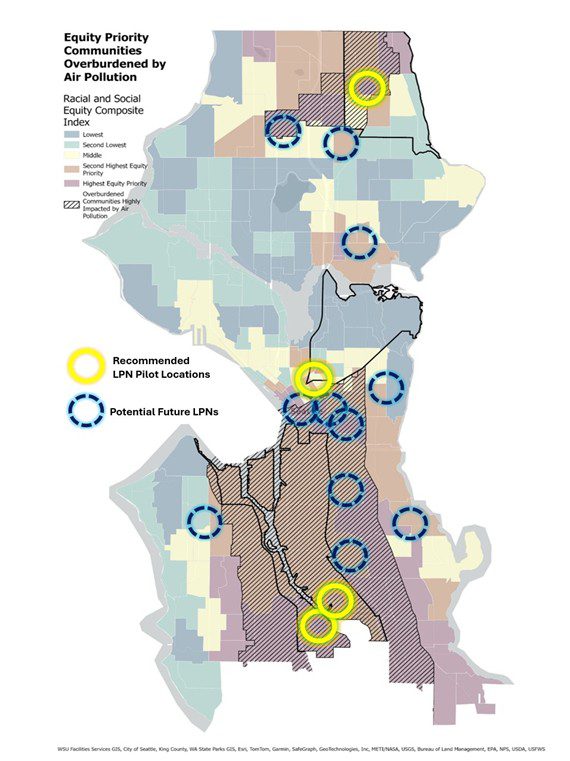
We’ll continue planning and community partnership in these neighborhoods through 2027 with the goal of implementing and evaluating improvements in 2028 and beyond.
The work builds on our broader climate and transportation goals, including the Climate Action Plan, the Seattle Transportation Plan, Vision Zero, and the City’s transportation electrification efforts.
You can learn more about this program on our website.
Seattle’s climate future depends on all of us. Let’s take the next step together!
Jump ahead
- What happens during the planning phase
- Examples of Low Pollution Neighborhood strategies
- What we’re exploring in each pilot area
- Looking ahead
- Funding
- Stay informed
- What people are saying
What happens during the planning phase
The first phase of the program focuses on understanding neighborhood conditions, working with community partners, and identifying near-term opportunities that can improve everyday conditions while longer-term plans are developed.
During this phase we will:
- Work with community-based organizations, residents, and local businesses to understand neighborhood priorities and lived experiences
- Collect information about neighborhood conditions such as air quality, climate risks, and transportation safety
- Identify potential pilot projects and coordinated investments
- Advance early improvements where feasible
- Develop a practical toolkit that can support Low-Pollution Neighborhoods across Seattle
Because every neighborhood has its own priorities and challenges, we aim to identify strategies that reflect local needs, timing, and opportunities.
Examples of Low Pollution Neighborhood strategies
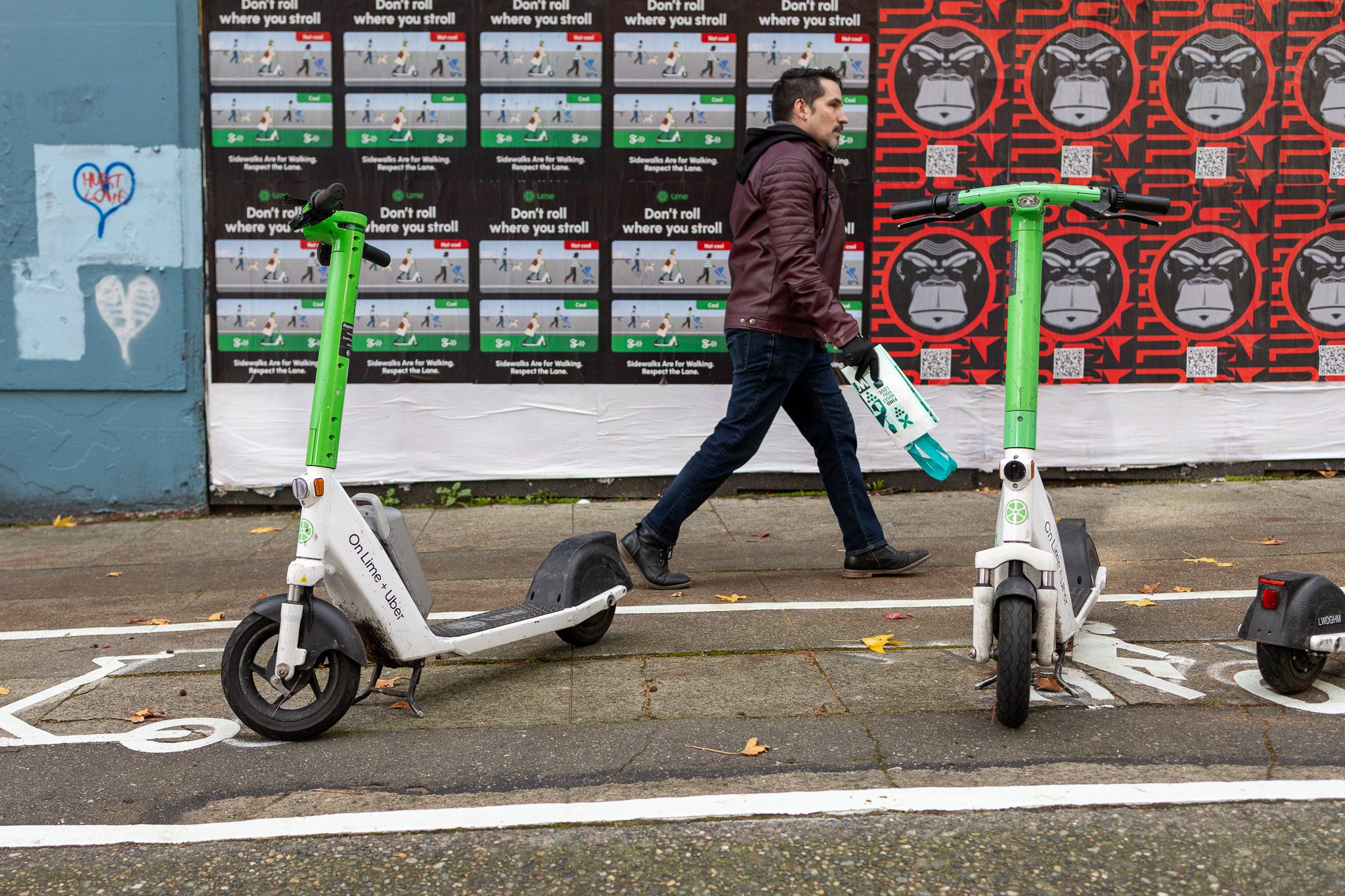
Low-Pollution Neighborhood strategies may include a mix of transportation, infrastructure, program and service improvements, and public space needs, such as:
- People-first street designs that make neighborhood streets safer and more comfortable for walking, rolling, and gathering
- On-street electric vehicle charging to expand access for residents without off-street parking and to reduce pollution from personal vehicles
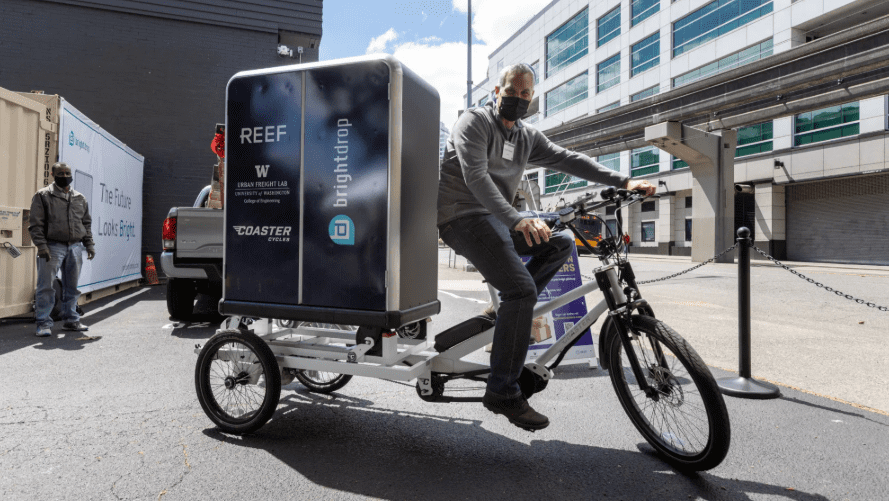
- Support for low-emission deliveries, including e-cargo bikes and other cleaner freight options
- Coordination with other City programs, such as tree canopy investments, sidewalk improvements, decarbonizing buildings, and resilience planning.
What we’re exploring in each pilot area
Each pilot neighborhood highlights different conditions this program hopes to address.
South Park and Georgetown
The Duwamish Valley neighborhoods of South Park and Georgetown face some of Seattle’s highest environmental health burdens, shaped by industrial activity, freight movement, and proximity to major transportation corridors.
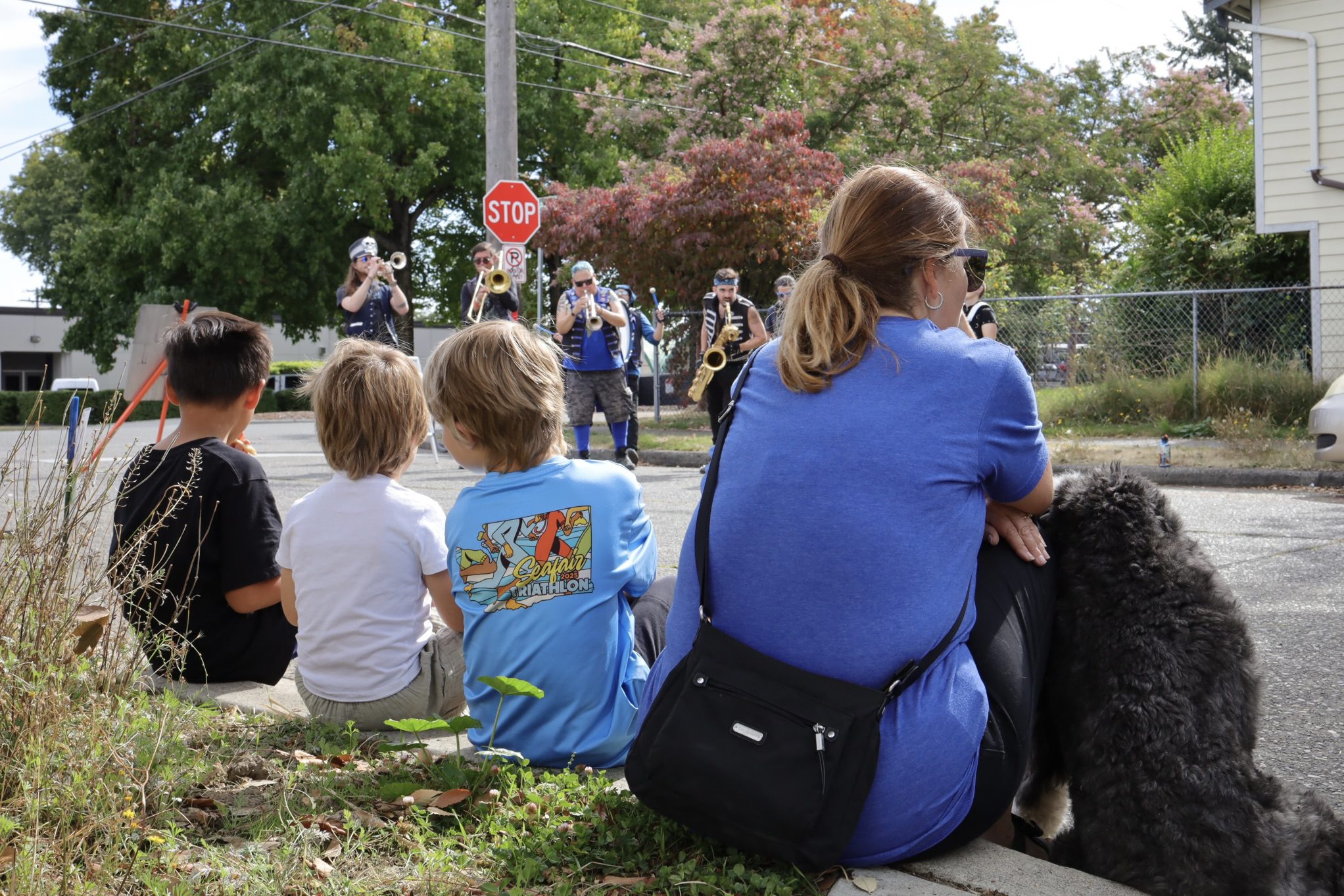
Planning in these neighborhoods may explore:
- Safer connections for people moving between frequently accessed areas, like local businesses and bus stops
- Expanding green space and shade to address heat and limited tree canopy
- Street improvements that make it safer for people walking, rolling and biking
- Green storm water infrastructure and flood mitigation
- Strategies that support cleaner freight and delivery systems
Lake City
Lake City is a growing hub in northeast Seattle with busy transit corridors, local businesses, and many residents who rely on walking, biking, or transit for daily trips. Parts of the neighborhood also face flooding risks and aging infrastructure challenges.
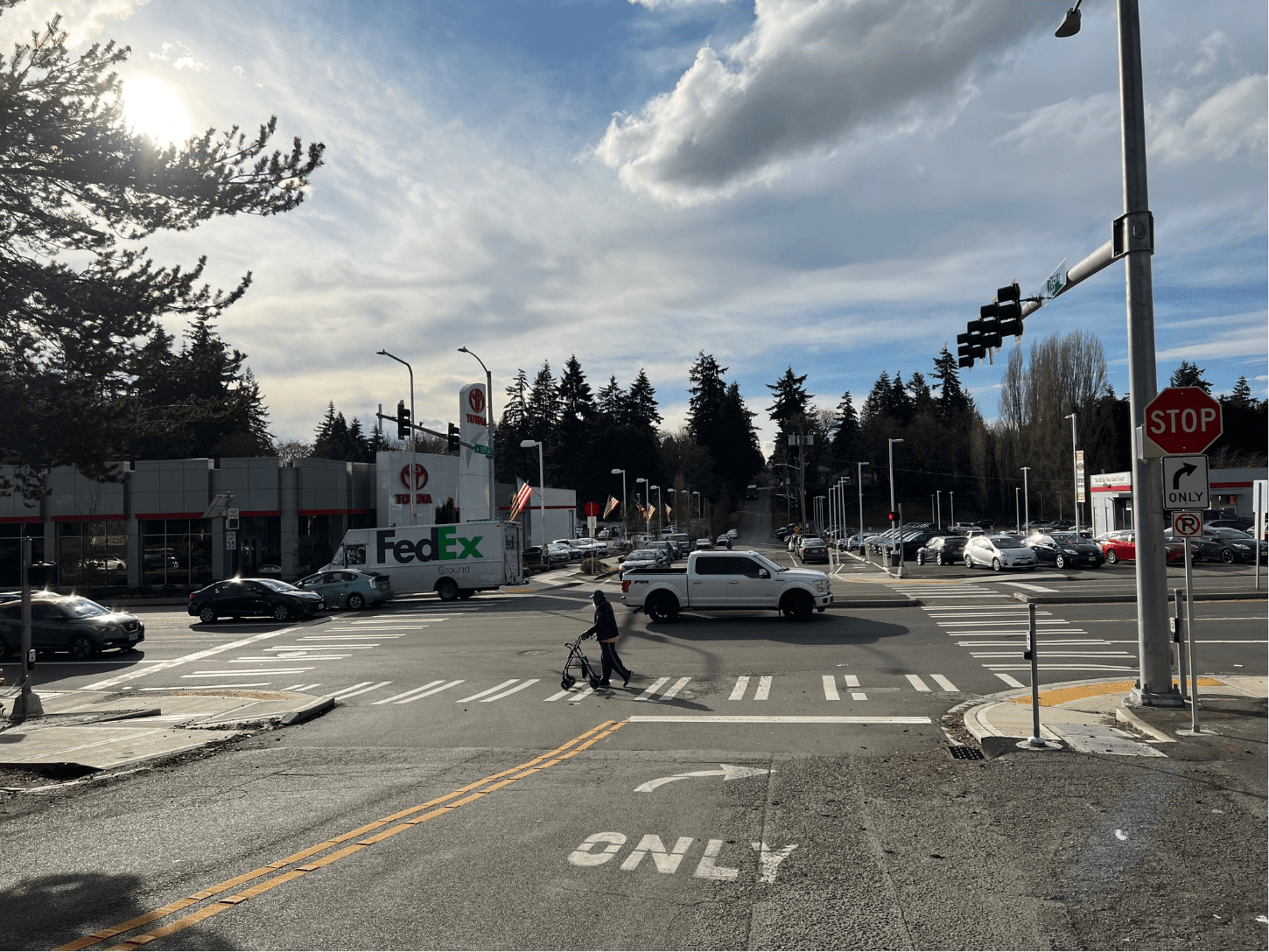
Planning in Lake City may explore:
- Safer connections to transit, schools, and neighborhood services
- Traffic calming on neighborhood streets
- Flood management and climate resilience strategies
- Expanding access to electric vehicle charging
Capitol Hill
Capitol Hill is one of Seattle’s densest neighborhoods, with intense activity around housing, nightlife, businesses, and major transit connections.
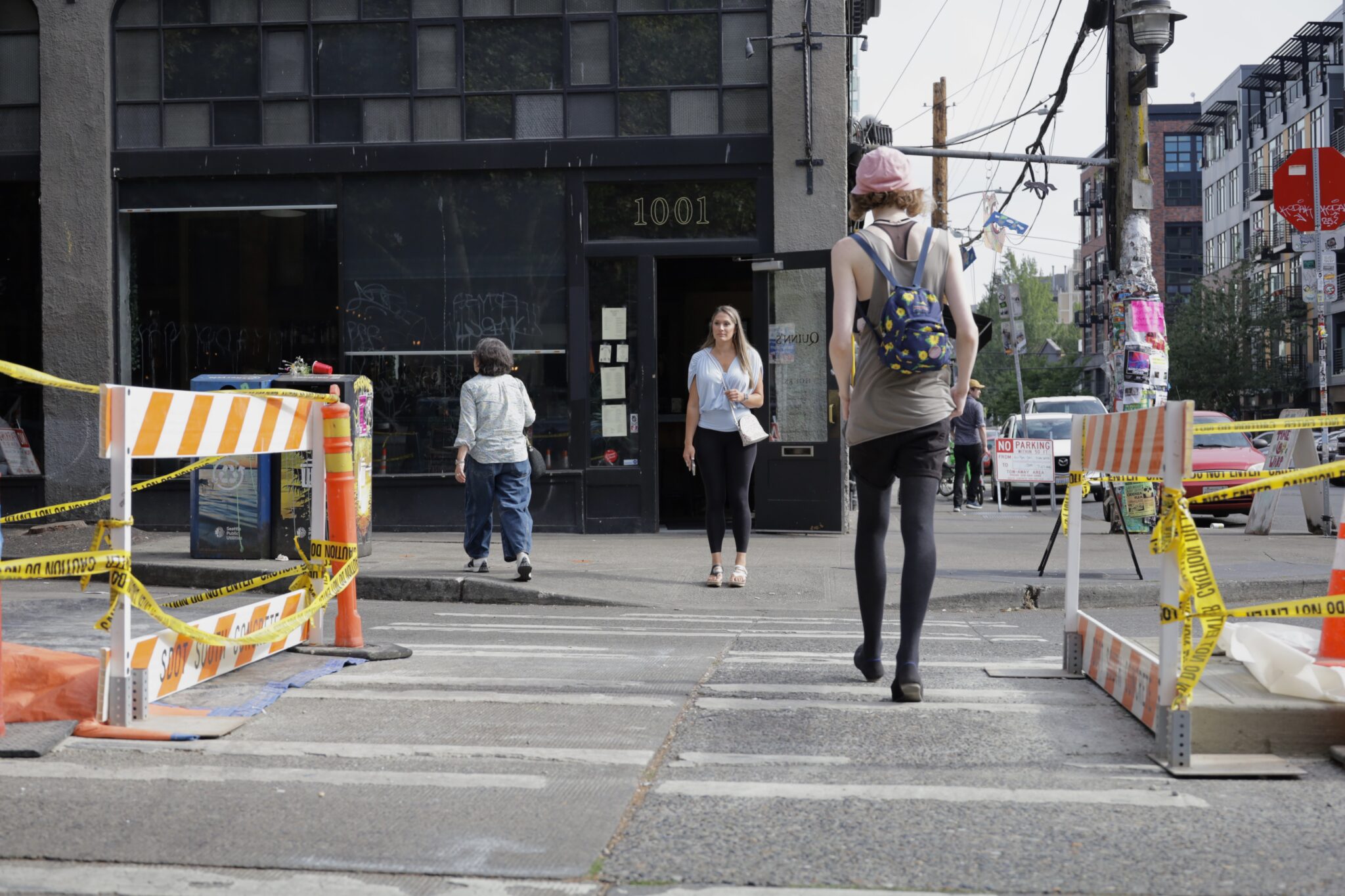
Planning here may explore:
- Improving pedestrian safety in high-activity areas
- Managing curb space and deliveries along busy corridors
- Supporting walking, biking, and transit access
- Expanding green-spaces and people-centered public space
Looking ahead
Planning for the pilot neighborhoods will continue through 2027, with implementation and evaluation expected in 2028 and beyond.
What the City and community partners learn through these first Low-Pollution Neighborhoods will help shape how the program evolves and how similar strategies may expand to other parts of Seattle in the future.
Community partnership will remain central as this work moves forward, and additional opportunities for residents and organizations to participate will be announced as planning begins.
Funding
Planning for the program is supported by a federal RAISE (Rebuilding American Infrastructure with Sustainability and Equity) grant, and future implementation will be supported through the Seattle Transportation Levy approved by voters in 2024.
Stay informed
- Visit our website and sign up for email updates.
- Have questions? Email us at DOT_Climate_Outreach@seattle.gov.
What people are saying
“Everyone in Seattle deserves clean air, but the reality is that pollution doesn’t affect all neighborhoods equally. That’s why SDOT’s Low-Pollution Neighborhoods program is so important. It focuses on locally funded transportation investments in the communities most impacted by climate change, while also reducing emissions citywide. It’s a win for equity and a win for our environment.
This is your city, and achieving our climate goals will take all of us working together.”
— Mayor Katie Wilson, City of Seattle
“I’m excited to launch our first Low-Pollution Neighborhood Program, a step toward making Seattle cleaner and healthier for everyone. Transportation is our largest source of carbon emissions, and we know solutions look different in each neighborhood, so we are taking the next step together.
We plan to focus on what matters most to the people who live and work here. Together, we’ll build a set of tools we can then use across our city. These investments will accelerate priorities in our Climate Change Response Framework and show why local funding, like the voter-approved Seattle Transportation Levy, are essential to our success.”
— Angela Brady, PE, Acting Director, Seattle Department of Transportation
“Designating South Park and Georgetown as priority neighborhoods for the LPN initiative demonstrates a meaningful commitment to advancing equity and racial justice in City decision-making. For too long, communities in the Duwamish Valley have borne the burden of pollution and environmental inequities. These community-driven efforts represent an important step toward improving health outcomes, addressing long-standing disparities, and creating a built environment that is greener, safer, and healthier for everyone. We welcome this partnership with SDOT and are committed to working alongside the community to ensure their voices continue to shape this effort.”
— Paulina López, Executive Director of Duwamish River Community Coalition (DRCC)
“This ‘Low-Pollution Neighborhoods’ project promotes mobility and safety, clean transportation, and climate and neighborhood resilience. This aligns with the mission of the Duwamish Valley Sustainability Association (DVSA), enabling us to continue evaluating the technical and economic feasibility of our community proposals to foster the use of public transit and sustainable non-vehicular transportation in the Duwamish Valley, thereby reducing air pollution. Together, we are building more sustainable transportation.”
— Edwin Hernandez, Executive Director of Duwamish Valley Sustainability Association (DVSA)
“Lake City Collective has been part of the conversations around low-pollution neighborhoods (LPNs) over the last few years and, importantly, has been actively working, in partnership with the City, on those very goals. One example is with the creation of the Little Brook Plaza, where we are working with SDOT and Parks & Recreation. Selecting Lake City as one of the LPNs is the natural continuation of those efforts. We’re looking forward to continuing to bring infrastructure investments for a healthier environment to families living in the busy, polluted urban corridors in the north end.”
— Cesar Garcia, Co-founder of Lake City Collective
“The EcoDistrict at ULMS is enthusiastic about the City’s prioritization of Low Pollution Neighborhoods. The improvement of air quality is a benefit, but not the only one. The idea of creating more opportunities for community to engage and enjoy the public realm is inspiring!”
— Donna Moodie, EcoDistrict Executive Director, Urban League of Metropolitan Seattle