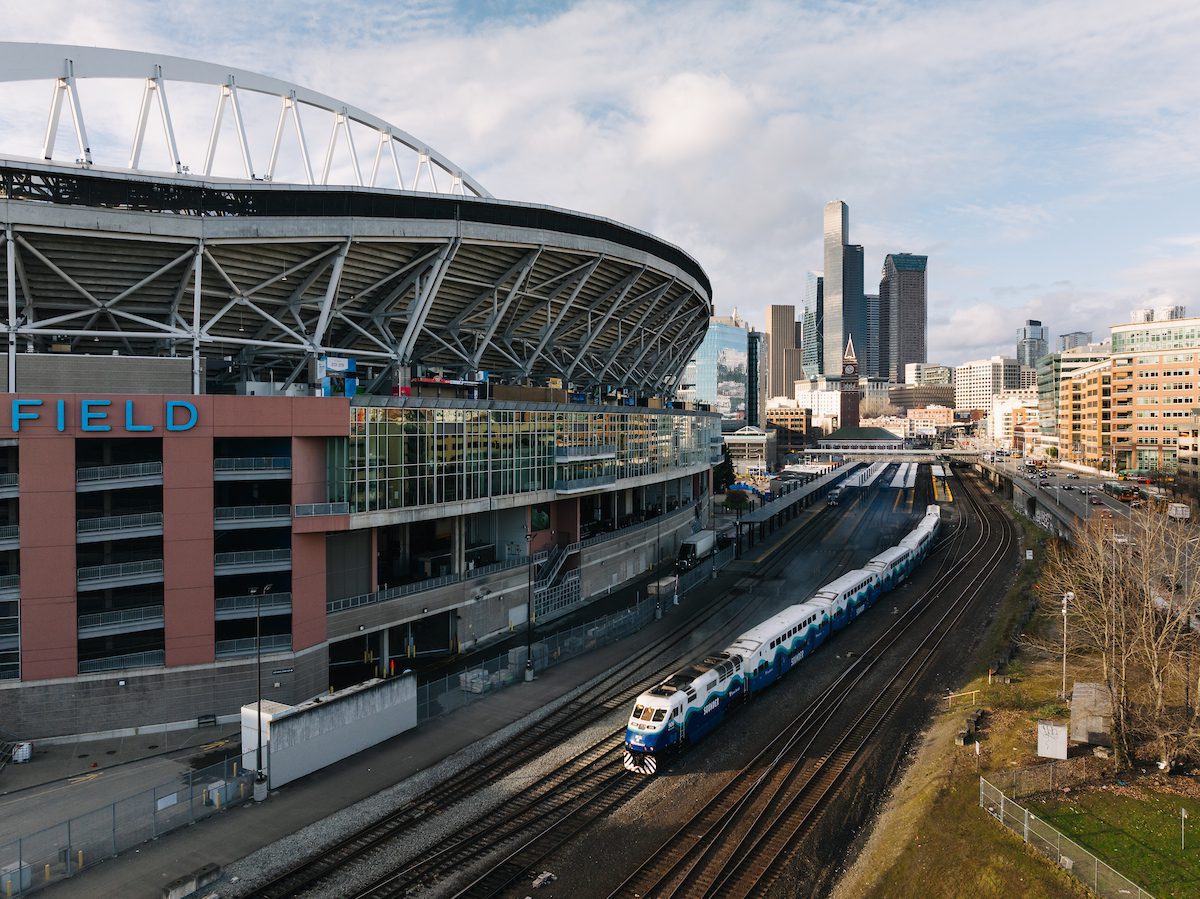
 A Sounder Train heads to King Street Station past Seattle Stadium. Both the Sounder Train and the Link light rail are good options if you’re going to a game and want to skip traffic and parking. Learn more on FlipYourTrip.org. Photo: Sound Transit
 Stunning views, nearby nature, neighborhoods with their own vibrant personalities. There are many reasons to love Seattle. For sports fans in particular, including visitors for the FIFA Men’s World Cup, one is especially good to know.
“Seattle is one of the few cities with a stadium located right downtown,” said Jeremy Borrego.
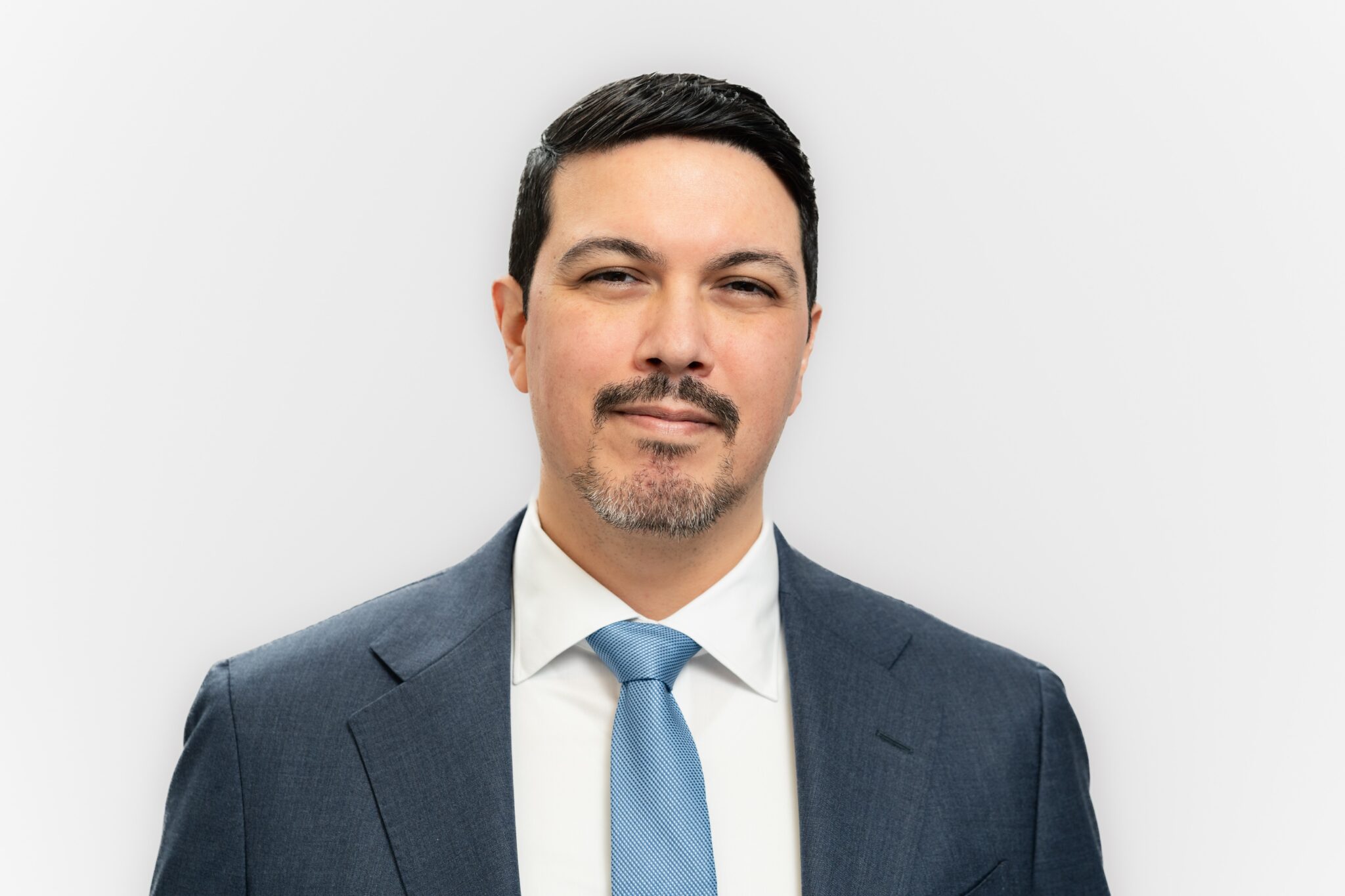
Jeremy leads the division at the Seattle Department of Transportation responsible for coordinating with traffic management and transportation planning. We recently sat down with him to talk about what’s happening behind the scenes to keep people moving during what’s expected to be a very busy summer.
“You have options when it comes to transportation. We’re lucky and ready for all these people,” he said. “And from a transportation perspective, we’re ready to welcome the world to our doorstep.”
Read the full interview with Jeremy Borrego, SDOT’s division director of Construction Coordination and Mobility Management, below.
George Zhang, SDOT’s strategic communications intern, interviewed Jeremy for this Roadside Chat as part of our #WCSeattle series. Read the previous story here.
RELATED TO FIFA:
What makes preparing for FIFA different from other big events Seattle has hosted?
Jeremy Borrego: It’s the biggest sporting event in the world! It’s also one of the biggest events Seattle has ever undertaken. We’re lucky to be a host city this year.
That said, we must plan in new ways while building on past successes. Thinking about recent large concerts or the 2023 MLB All-Star Game, what lessons did we learn from those events? How do we make our FIFA preparations successful? That’s what we’ve been doing at SDOT.
We’re undertaking the construction pause for this reason.
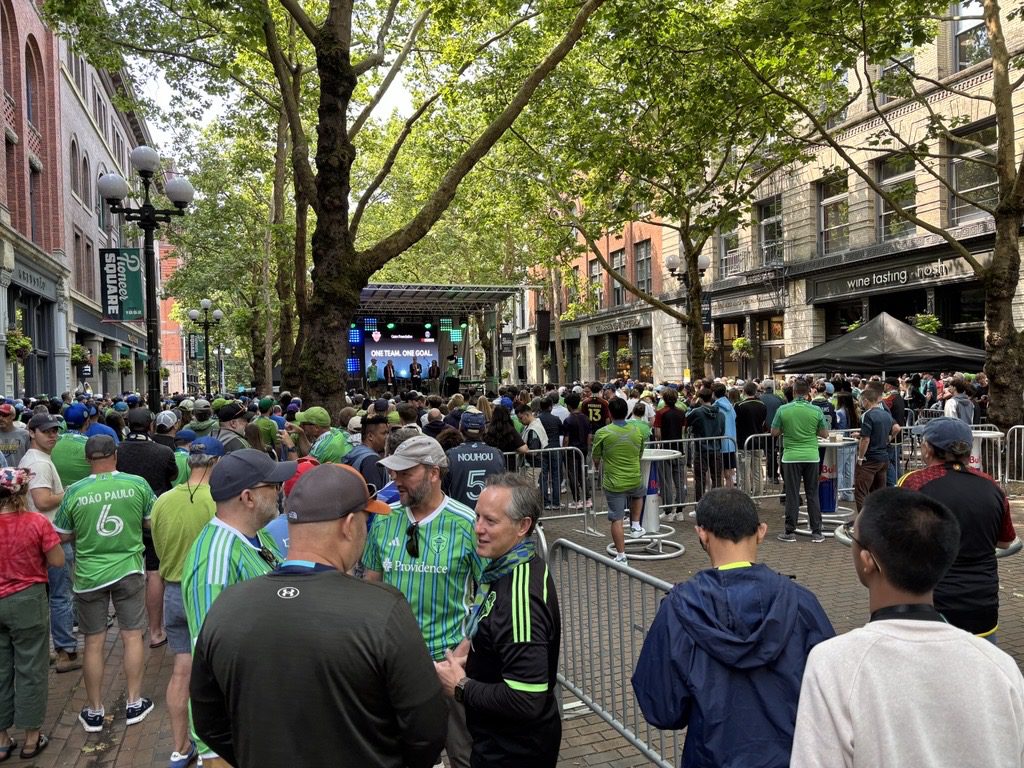
RELATED: Pioneer Square to be walkable pedestrian zone for 6 FIFA matches
The pause helps ensure people can get around more easily. We want people to be able to walk, bike, roll, and drive with fewer disruptions. We’ll also ensure our construction industry stays whole during prime construction season.
What does the construction pause actually mean for people moving around the city?
Jeremy: The construction pause means that construction work is limited during a specific period. In this case, the pause for FIFA runs from June 8 to July 7. Construction will still happen around the city, but we’ll limit work on our streets, sidewalks, and public spaces.
This [construction pause] process isn’t new for us. We’ve done this successfully for many years.
People need these spaces to get around during FIFA. It’s important that they can use streets and sidewalks to travel between different neighborhoods and downtown easily and safely.
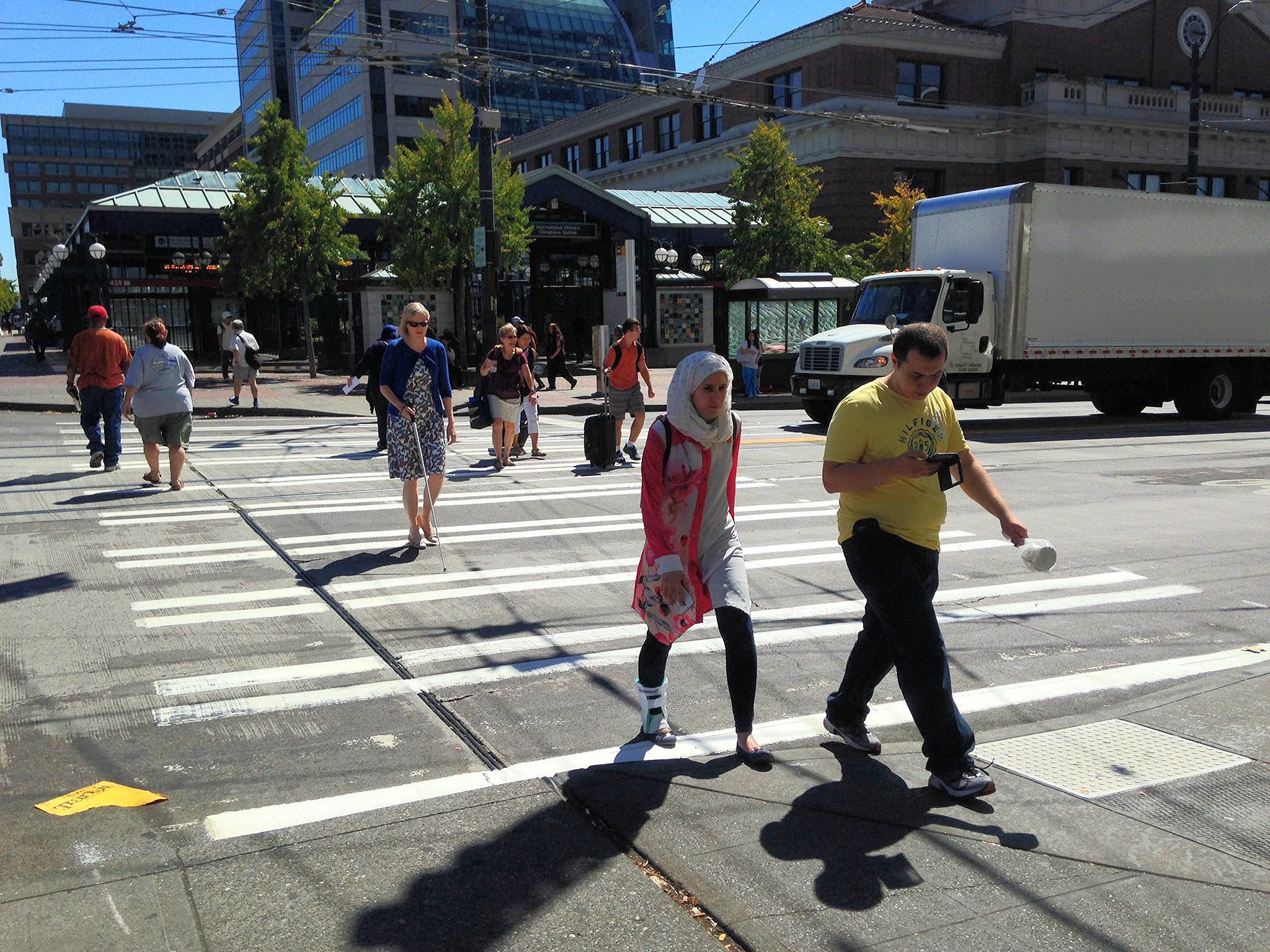
We have a similar construction pause that affects downtown and Pioneer Square from Thanksgiving Day to New Year’s Day. We also pause work in the Chinatown International District during the Lunar New Year.
These are important cultural or seasonal times for people. We want to help businesses and residents enjoy this time of year. It also helps neighborhoods look good when tourists and visitors come to shop and enjoy celebrations.
What changes will people notice when they’re traveling around Seattle during the tournament?
Jeremy: The biggest change is that street and sidewalk construction will be very limited. We’ve worked with the construction industry for over a year on the construction pause. People will notice less construction generally.
There will be case-by-case exceptions. For the most part, though, active sites will be tightened up and their construction footprint reduced.
We’re working to make sure people can get around safely and easily while reducing congestion. The construction pause is a key part of our efforts toward these goals.
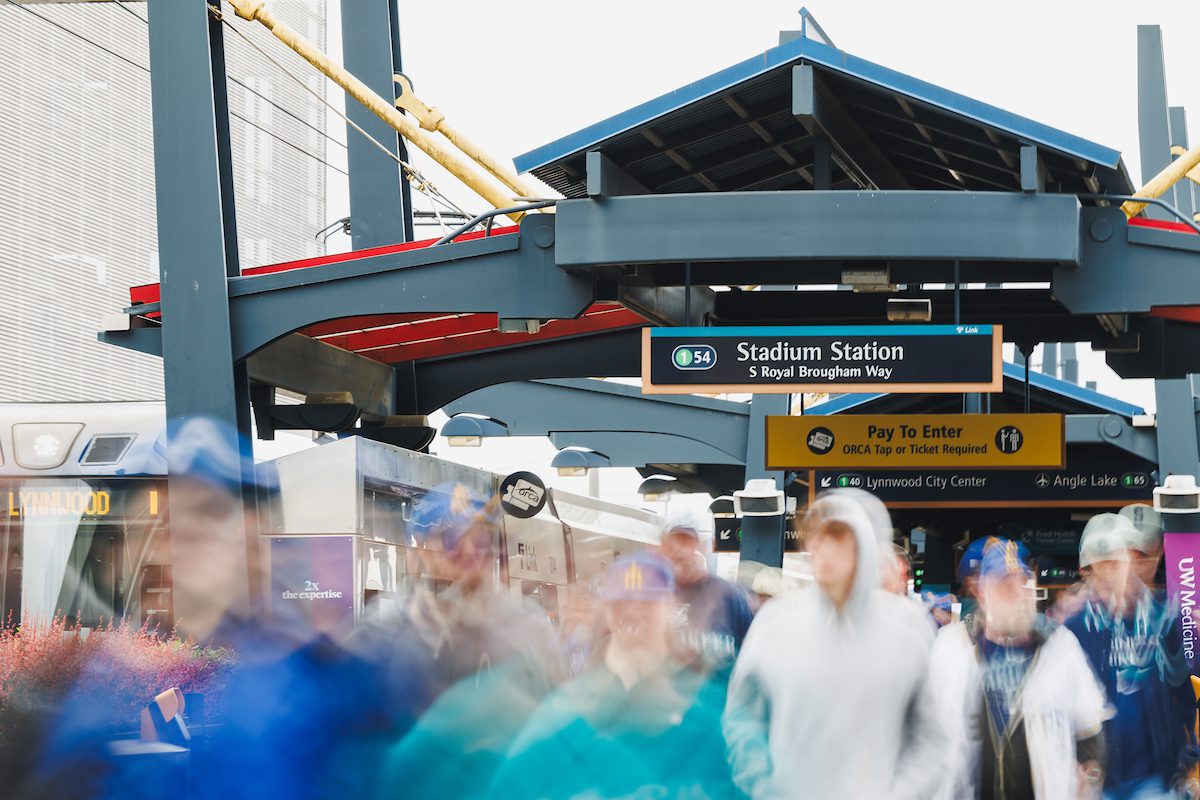
Complicating this, of course, is the sheer number of people we’re expecting. Seattle’s population will almost double during the World Cup. So, you’ll still feel the effects of more people being here to enjoy the matches, but we’re working to make travel as easy as possible.
What’s happening behind the scenes to keep things running smoothly?
Jeremy: Presently, my team, the Construction Coordination and Mobility Management division, is reviewing requests to work during the pause with several key partners.
Our review involves staff from our Street Use and Transportation Operations divisions. The Street Use team issues permits to use the right-of-way for construction while Transportation Operations manages the day-to-day workings of our streets.
This collaboration ensures that any approved waivers will benefit the industry while also meeting our need to manage traffic flow effectively. Our primary goal is to make sure people can still get around safely and easily during the FIFA World Cup.
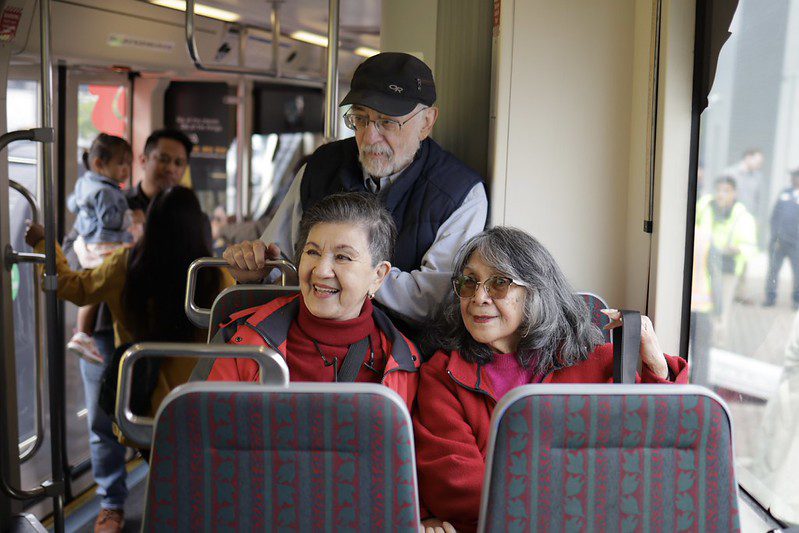
So, while we’re trying to open up local streets and sidewalks to make it easier to get around, we’re encouraging people to use transit. It’s the easiest and often fastest way to get around – especially when there’s a lot of traffic.
With that in mind, we’ve asked transit agencies what they need to operate smoothly during FIFA. We have a great transit system here and we want to make sure to support it.
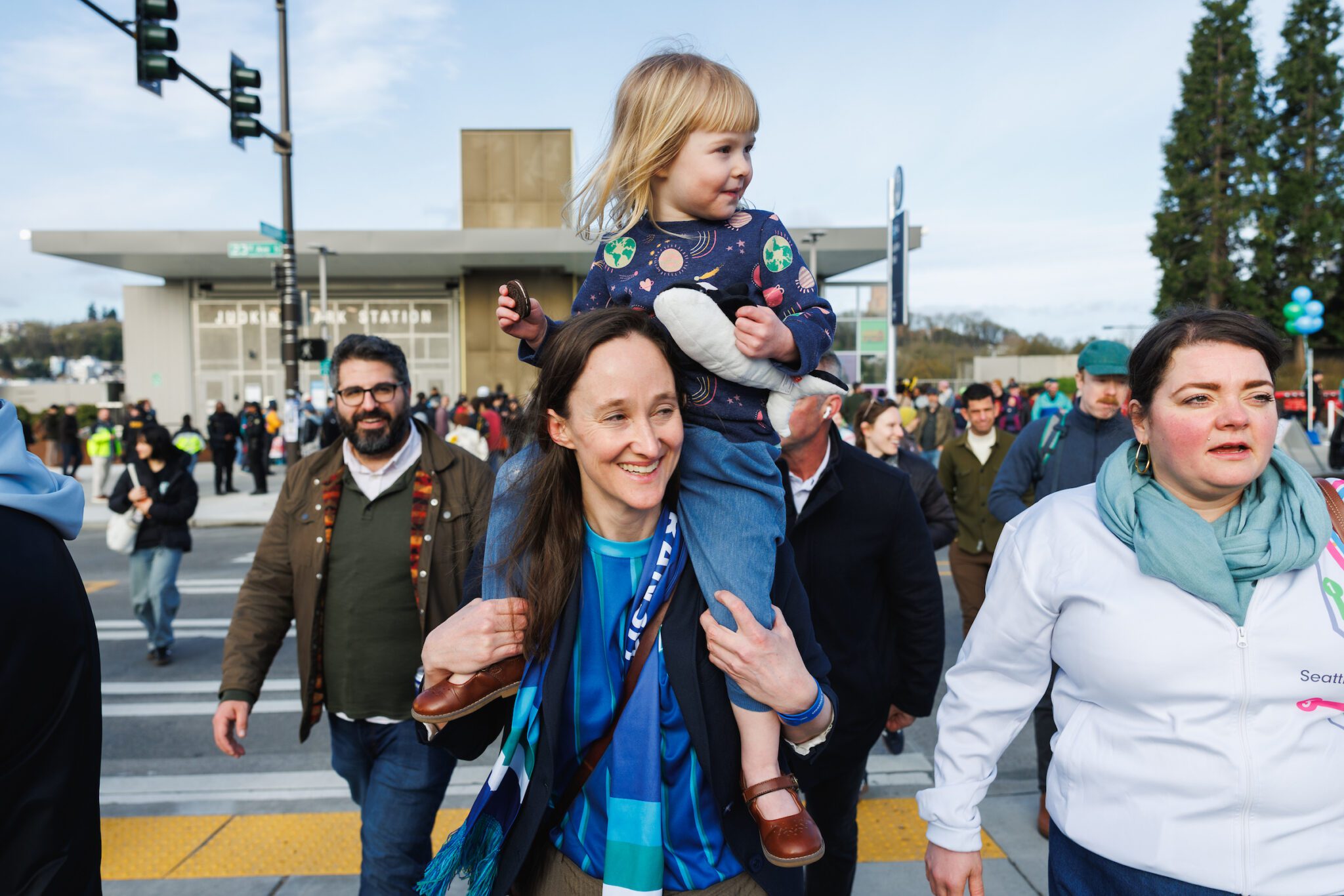
Sound Transit’s recent opening of the 2 Line to the eastside creates new opportunities for people to use transit to reach downtown. While King County Metro, Community Transit, and Pierce Transit bus routes all connect to downtown Seattle.
RELATED:
- How to get to the new Judkins Park Station in Seattle
- Judkins Park Station opens with easier Seattle-Eastside travel
How do you balance construction, access, and keeping people moving?
Jeremy: That’s a great question. At a basic level, we’re stopping construction in the right-of-way. Clearing sidewalks and streets is the easiest thing we can do.
During the pause, we’ve asked projects to restore the sidewalks and streets to good condition. We don’t want to see any metal plates in the streets or on sidewalks. This makes getting around safer.
Although we’re pausing work in the right-of-way, we’ve also tried to find workarounds to help construction continue. These could involve moving equipment after hours or on non-match days.
We can also limit the traffic that construction sites create, but we can’t prevent sites from bringing deliveries in and out. They‘re necessary system users just like everyone else.
We want people to be able to enjoy the World Cup, but we don’t want it to be at the expense of these construction projects.
What’s one thing you want people to do now to make getting around easier during FIFA?
Jeremy: Residents should think about how they’ll get around and how transit can help.
I live in Magnolia and normally take the bus. I plan to bike downtown instead because I’ll likely experience less traffic that way.
We also want people to go out and celebrate! This is a soccer town!
Go see games at your neighborhood pub, visit restaurants, and enjoy this event. We don’t know when we’ll have another FIFA World Cup. Now is the time to enjoy yourself!
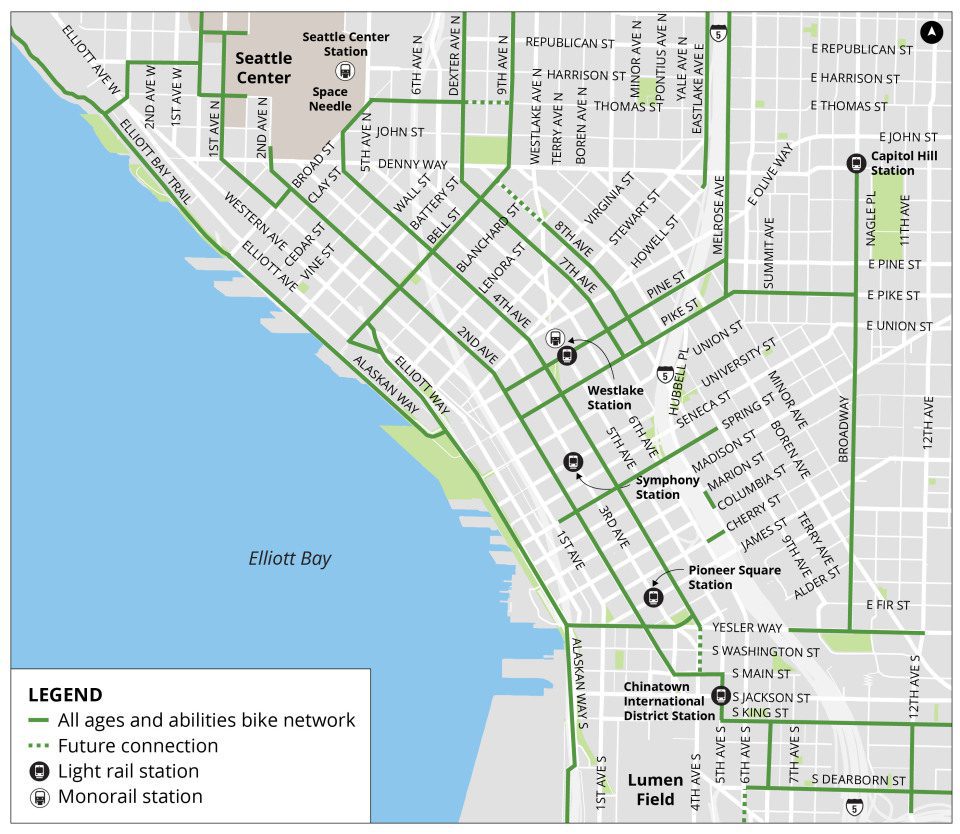
RELATED: Seattle’s newest bike lane closes final gap on ‘City Center’ map! Well, kind of…
What gives you confidence Seattle will be ready?
Jeremy: Seattle is one of the few cities with a stadium located right downtown. It’s a very walkable area with many new bike lanes, so you can leave your car at home and avoid congestion.
You have options when it comes to transportation. We’re lucky and ready for all these people, and from a transportation perspective, we’re ready to welcome the world to our doorstep.

Visitors can also enjoy our awesome brand-new waterfront, Sound Transit’s new light rail connection to the east side, and our King Street Station where Amtrak and the Sounder arrive. The First Hill streetcar line also connects directly to the stadiums.
We’re feeling confident about our plans for FIFA and the celebrations, not just downtown but across the city as a whole. Our acting department director, Angela Brady, and the mayor’s office are bringing positive energy to help people make the most of this event. We’re looking forward to a safe, successful, and exciting time.
We love soccer in Seattle and will do anything to help the US men’s team win, especially on the nineteenth against Australia!
Stay Connected
We’ll be posting updates, tips, and travel info across all SDOT channels so you can stay informed and plan ahead with confidence.
You can also visit FlipYourTrip.org for mode-specific travel resources, video guides, links to resources from our regional transit partners, and more.
Web | Blog | X | X Traffic | Instagram | TikTok | Facebook | LinkedIn | YouTube | Flickr | Customer Service | Alert Seattle
Sign up for AlertSeattle to receive customized emergency alerts via text message, email, voice message, or social media. Or text the word SEATTLE to 67283.